
 0 Items (Empty)
Online Learn to speak Thai Language Audio CD Store - Shop On-Line
Online Learn to Speak Thai Language Audio Book CD Store



heard and a 16-page booklet with sound script is available for those which want To follow along considering they hear. Start Speaking Today: *1 sound CD (1 hour) *Learn by hearing with native speakers *Essential everyday language *Reference booklet included About the Thai Language Thai is the nationwide plus official code of Thailand in addition to the mother code of the Thai people Thailand's dominant cultural group. Thai is a associate of the Tai group of the Tai-Kadai code family. The Tai-Kadai languages are thought with have originated inside what is now southern China and many linguists have proposed hyperlinks with all the Austroasiatic Austronesian or Sino-Tibetan code families. It is a tonal and analytic code. The mixture of tonality a complex orthography relational markers and a distinctive phonology may create Thai difficult with know for those who not the kingdom. Numerous languages not associated with Thai are talked inside Thailand by ethnic minority hill tribespeople. These languages include Hmong-Mien (Yao) Karen Lisu and others. Standard Thai is composed of countless distinct registers kinds for different social contexts: * Street Thai more details.....



useful talked proficiency with the most-frequently-used vocabulary and grammatical structures. You is capable to: * initiate and keep face-to-face conversations * deal with daily cases -- ask for information instructions and offer standard info about yourself and family * communicate standard information regarding everyday topics and engage inside everyday conversations * avoid standard cultural errors and handle minimal courtesy and travel demands * meet individual demands and limited social demands * establish rapport with strangers inside foreign countries * commence reading and sounding out items with native-like pronunciation. About the Thai Language Thai is the nationwide plus official code of Thailand plus the mother code of the Thai people Thailand's dominant cultural group. Thai is a associate of the Tai group of the Tai-Kadai code family. The Tai-Kadai languages family or describing their escapades. Many Thais will speak at merely the initial and upcoming levels though they normally recognize the others. more here.....


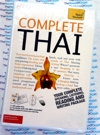
Injectionts of the best code teacher and the years of training experience nevertheless now with added learning characteristics inside the course and online.The course is structured inside thematic units in addition to the focus is found regarding correspondence therefore that you effortlessly progress from introducing yourself and dealing with everyday situations with using the phone and talking regarding function. By the finish of the course you may be at Level B2 of the Common European Framework for Languages: Can communicate with a degree of fluency and spontaneity that makes standard interaction with native speakers truly possible without strain for either party. Learn effortlessly with a new easy-to-read page form and interactive features: NOT GOT MUCH TIME? One five and ten-minute introductions with key principles with get you began. AUTHOR INSIGHTS Many at schools inside Thailand before taking up a post considering Lecturer inside Thai at the School of Oriental and African Studies at the University of London. About the Thai Language Thai is the nationwide plus official code of Thailand and the mother code of the Thai people Thailand's dominant find out more.....

here Collins Thai Phrasebook - Book plus CD "The Best Word inside The Pocket" Brand New In Original Packaging In the most commonly known travel situations� we require the reassurance to communicate with ease. A reliable� portable plus easy-to-use phrasebook is a travel essential� plus today with all the completely re-designed Collins Thai Phrasebook� the appropriate word might usually be at the fingertips. With a complete fresh look inside plus out which involves a modern cover plus easy-to-navigate layout� it happens to be today easier than ever with employ the Thai code effectively plus with self-confidence. This indispensable code guide covers the subjects plus words which crop up everyday about holiday� from acquiring a hotel with selecting wine. With an accompanying CD which makes oral practice potential this reference ensures regarding 78 000 (1993) inside northern Thailand. * Northern Thai (Lanna Kam Meuang or Thai Yuan) talked by regarding 6 million (1983) inside the formerly independent kingdom of Lanna (Chiang Mai). * Phuan talked by an unknown amount of individuals inside central Thailand plus Isan. * Phu Thai more.....


structure without boring drills. Understanding with talk Thai will really be enjoyable plus worthwhile. The key cause countless individuals battle with modern languages is which they aren't available right training just pieces plus pieces of the code. Other code programs market only pieces -- dictionaries; grammar books plus instructions; lists of hundreds or thousands of words plus dElectronic Fuel Injectionnitions; audios containing useless drills. They leave it along with you with assemble these pieces considering we try with talk. Pimsleur allows you to invest a time understanding with talk the code quite of only studying its components. When we were understanding English might we talk before we knew how with conjugate verbs? Naturally you'd. That same understanding procedure is what Pimsleur replicates. Pimsleur presents the entire code considering 1 Hmong-Mien (Yao) Karen Lisu plus others. Standard Thai is composed of many distinct registers types for different social contexts: * Street Thai : everyday without polite terms of address considering chosen between close family plus neighbors. * Elegant Thai : official plus built variation involves much more info


wants a thorough review. Living Language Thai includes: ·A course book plus six sound CDs ·Two specific sets of recordings 1 for utilize with all the book along with a 2nd for employ anywhere with review plus reinforce ·Natural dialogues obvious grammar notes vocabulary building plus key expressions ·Plenty of practice both created plus recorded ·Notes about culture cuisine history geography plus more ·Real lifetime “discovery” escapades plus web resources ·An extensive two-way glossary About the Thai Language Thai is the nationwide plus official code of Thailand as well as the mom language of the Thai people Thailand's dominant cultural group. Thai is a associate of the Tai group of the Tai-Kadai code family. The Tai-Kadai languages are thought with have originated inside what exactly is today utilized between close family plus neighbors. * Elegant Thai : official plus created variation involves respectful terms of address; employed inside simplified shape inside magazines. * Rhetorical Thai: utilized for public talking. * Religious Thai: (seriously influenced by Sanskrit additional info.....


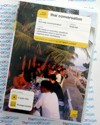
proficiency or brush up regarding a abilities. Ten general situations--such considering getting food plus drink purchasing asking for instructions plus exploring locals--are every represented by 2 test conversations with explain with you how code is selected inside daily lifetime. With convenient plus bite-size explanations plus instructions you'll conveniently gain self-confidence inside conversation abilities. Includes 3 sound CDs with hearing plus talking exercises. About the Thai Language Thai is the nationwide plus official code of Thailand inside addition with the mom code of the Thai people Thailand's dominant cultural group. Thai is a associate of the Tai group of the Tai-Kadai code family. The Tai-Kadai languages are thought with have originated inside what exactly is today southern China plus certain linguists have proposed hyperlinks with the Austroasiatic Conversation - 3 Audio CDs plus Booklet CD additional info.....



know whether considering a tourist or considering a beginner inside the early stages of learning the code. Different meanings of the same words are clearly distinguised therefore that you'll continually be capable with cause the correct choice with confidence. This handy reference guide provides the essentials of Thai pronounciation that would confirm you are frequently understood whenever speaking. About the Thai Language Thai is the nationwide plus official code of Thailand and the mother code of the Thai people Thailand's dominant cultural group. Thai is a associate of the Tai group of the Tai-Kadai code family. The Tai-Kadai languages are thought with have originated inside what is now southern China and many linguists have proposed hyperlinks with all the Austroasiatic Austronesian or Sino-Tibetan code families. It is a tonal and analytic code. The 400 000 (1984) inside Nakhon Ratchasima; it occupies a linguistic position somewhere between Central Thai and Isan regarding a dialect continuum and is considered a variant or dialect of either. In addition with Standard Thai Thailand is home with alternative connected Tai languages including: * details

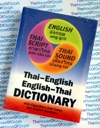
This useful Thai English English Thai dictionary is ready with aid English speakers communicate inside Thai whether you are able to read the Thai alphabet. All Thai words are indexed inside both Thai script plus an easy-to-learn English-like pronunciation program which completely expresses the Thai sound including the tones plus everything else you must talk plus understand Thai words properly. It's a ideal fit with the more books including Thai for Beginners. Unlike conventional dictionaries there are 3 sections: you are able to look up an English word inside the English section look up a Thai word we read utilizing the Thai Script section or look up a Thai word we hear by its sound inside the distinctive Thai Sound section. Whether you're exploring Thailand for a brief whilst or living there forever there are almost all of the vocabulary employed inside everyday Thai alphabet. What comes nearest with a standard is the Royal Thai General System of Transcription (RTGS) published by the Thai Royal Institute merely inside Thai. This program is increasingly selected inside Thailand by central plus surrounding governments fairly for road signs. Its leading more data

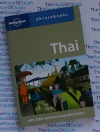
the right train ticket and getting the right beer the etiquette of smiles inside the Land of Smiles About the Thai Language Thai is the nationwide plus official code of Thailand and the mother code of the Thai people Thailand's dominant cultural group. Thai is a associate of the Tai group of the Tai-Kadai code family. The Tai-Kadai languages are thought with have originated inside what is now southern China and many linguists have proposed hyperlinks with all the Austroasiatic Austronesian or Sino-Tibetan code families. It is a tonal and analytic code. The mixture of tonality a complex orthography relational markers and a distinctive phonology could create Thai difficult with recognize for those which not completely speak a connected code. Standard Thai often acknowledged considering Central Thai or Siamese is the official code of Thailand talked by regarding 65 million recognize for those which not completely speak a connected code. Standard Thai often acknowledged considering Central Thai or Siamese is the official code of Thailand talked by regarding 65 million people including speakers of Bangkok Thai . Khorat Thai is talked by regarding 400 000 (1984) inside information


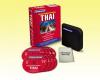
Understanding with speak Thai could truly be enjoyable and worthwhile. The key cause countless people battle with fresh languages is that they aren't offered proper training simply pieces and pieces of the code. Other code programs marketplace only pieces -- dictionaries; grammar books and instructions; lists of hundreds or thousands of words and dElectronic Fuel Injectionnitions; audios containing useless drills. They leave it with you with assemble these pieces considering you try with speak. Pimsleur lets you invest a time learning with speak the code rather of just studying its components. When you were learning English could you speak before you knew how with conjugate verbs? Naturally you will. That same learning process is what Pimsleur replicates. Pimsleur presents the whole code considering 1 integrated element with succeed. With Pimsleur you get: Grammar and Sanskrit and Pāli) used when discussing Buddhism or addressing monks. * Royal Thai : (influenced by Khmer) used when addressing members of the regal family or describing their escapades. Many Thais usually speak at simply the initial and upcoming levels though they might more.....


Travel Pack - Phrase Book plus Audio CD Brand New 1 Audio CD 192 page Phrase Book This travel pack has the quick plus powerful method for travellers with understand simple words plus words. Based found on the Berlitz listen-and-repeat approach the CD qualities over 300 necessary expressions when the book contains over 1200 words plus words. * 1 200 words plus phrases * sections color-coded by topic * easy-to-understand pronunciation * dictionary * menu reader * emergency expressions * CD involves over 300 beneficial words plus expressions * hear plus understand anytime anywhere CD Track 1 - Introduction Basics Track 2 - Arrival Hotel Track 3 - Eating Out Track 4 - Getting Around Track 5 - Sightseeing Track 6 - Entertainment Making Friends Track 7 - Shopping Track 8 - Numbers Emergencies About the Thai Language Thai is the nationwide plus official code of Thailand as well as numbers outside of Thailand. Many speakers of dialects plus minority languages talk Central Thai also because it is the code employed inside universities plus colleges all over the kingdom. Numerous languages not associated with Thai are talked inside Thailand by ethnic minority hill here
Thai
Thai ), is the national and official language of Thailand and the mother tongue of the Thai people, Thailand's dominant ethnic group. Thai is a member of the Tai group of the Kradai language family. The Kradai languages are thought to have originated in what is now southern China, and some linguists have proposed links to the Austroasiatic, Austronesian, or Sino-Tibetan language families. It is a tonal and analytic language. The combination of tonality, a complex orthography, relational markers and a distinctive phonology can make Thai difficult to learn for those who do not already speak a related language. Thai is mutually intelligible with Lao. Standard Thai, also known as Central Thai or Siamese, is the official language of Thailand, spoken by about 65 million people (1990) including speakers of Bangkok Thai (although the latter is sometimes considered as a separate dialect). Khorat Thai is spoken by about 400,000 (1984) in Nakhon Ratchasima; it occupies a linguistic position somewhere between Central Thai and the Isan on a dialect continuum, and may be considered a variant or dialect of either. A majority of the people in the Isan region of Thailand speak a dialect of the Lao language, which has influenced the Central Thai dialect.
In addition to Standard Thai, Thailand is home to other related Tai languages, including:
* Isan (Northeastern Thai), the language of the Isan region of Thailand, considered by some[who?][weasel words] to be a dialect of the Lao language, which it very closely resembles (although it is written in the Thai alphabet). It is spoken by about 15 million people (1983).
* Nyaw language, spoken mostly in Nakhon Phanom Province, Sakhon Nakhon Province, Udon Thani Province of Northeast Thailand.
* Galung language, spoken in Nakhon Phanom Province of Northeast Thailand.
* Lü (Tai Lue, Dai), spoken by about 78,000 (1993) in northern Thailand.
* Northern Thai (Lanna, Kam Meuang, or Thai Yuan), spoken by about 6 million (1983) in the formerly independent kingdom of Lanna (Chiang Mai).
* Phuan, spoken by an unknown number of people in central Thailand, Isan and Northern Laos.
* Phu Thai, spoken by about 156,000 around Nakhon Phanom Province (1993).
* Shan (Thai Luang, Tai Long, Thai Yai), spoken by about 56,000 in north-west Thailand along the border with the Shan States of Burma (1993).
* Song, spoken by about 20,000 to 30,000 in central and northern Thailand (1982).
* Southern Thai (Pak Dtai), spoken about 5 million (1990).
* Thai Dam, spoken by about 20,000 (1991) in Isan and Saraburi Province.
Many of these languages are spoken by larger numbers outside of Thailand. Most speakers of dialects and minority languages speak Central Thai as well, since it is the language used in schools and universities all across the kingdom.
Numerous languages not related to Thai are spoken within Thailand by ethnic minority hill tribespeople. These languages include Hmong-Mien (Yao), Karen, Lisu, and others.
Standard Thai is composed of several distinct registers, forms for different social contexts:
* Street Thai (ภาษาพูด, spoken Thai): informal, without polite terms of address, as used between close relatives and friends.
* Elegant Thai (ภาษาเขียน, written Thai): official and written version, includes respectful terms of address; used in simplified form in newspapers.
* Rhetorical Thai: used for public speaking.
* Religious Thai: (heavily influenced by Sanskrit and Pāli) used when discussing Buddhism or addressing monks.
* Royal Thai (ราชาศัพท์): (influenced by Khmer) used when addressing members of the royal family or describing their activities.
Most of the Thais can speak and understand all of these contexts. Street and Elegant are the basis of all conversations; rhetorical, religious and royal Thai are taught in schools as the national curriculum.
The Thai alphabet is derived from the Khmer alphabet, which is modeled after the Brahmic script from the Indic family. The language and its alphabet[citation needed] are closely related to the Lao language and alphabet. Most literate Lao are able to read and understand Thai, as more than half of the Thai vocabulary, grammar, intonation, vowels and so forth are common with the Lao language. Much like the Burmese adopted the Mon script (which also has Indic origins), the Thais adopted and modified the Khmer script to create their own writing system. While the oldest known inscription in the Khmer language dates from 611 CE, inscriptions in Thai writing began to appear around 1292 CE. Notable features include:
1. It is an abugida script, in which the implicit vowel is a short /a/ in a syllable without final consonant and a short /o/ in a syllable with final consonant.
2. Tone markers are placed above the consonant just before the vowel sound of the syllable.
3. Vowels sounding after a consonant are nonsequential: they can be located before, after, above or below the consonant, or in a combination of these positions.
There is no universal standard for transcribing Thai into the Latin alphabet. For example, the name of King Rama IX, the present monarch, is transcribed variously as Bhumibol, Phumiphon, phuuM miH phohnM, or many other versions. Guide books, text books and dictionaries may each follow different systems. For this reason, most language courses recommend that learners master the Thai alphabet.
What comes closest to a standard is the Royal Thai General System of Transcription (RTGS), published by the Thai Royal Institute. This system is increasingly used in Thailand by central and local governments,[citation needed] especially for road signs. Its main drawbacks are that it does not indicate tone or vowel length. It is not possible to reconstruct the Thai spelling from the RTGS transcriptions.


